The $27 guide

The step-by-step painful callus system that finally made walking feel normal.

Not a general skincare guide. A 25-page operating manual built around the 3-type diagnosis framework: what type of callus problem you have, why it keeps coming back, how to sequence products correctly, and how to avoid the rebound cycle that keeps most people stuck. Instant PDF download after purchase.

Why most treatments fail

  • They treat thick skin without changing the pressure creating it.
  • They swing between soaking, peeling, and filing without recovery time.
  • They ignore moisture imbalance, especially sweat and post-shower softness.
  • They expect instant results instead of a controlled 2-6 week rhythm.
What the PDF walks through

  1. Reduce pressure before trying to out-cream the problem.
  2. Use the 5-product stack in a sequence instead of all at once.
  3. Track pain, walking tolerance, and visible thickness week to week.
  4. Know when to back off if the skin starts feeling over-treated.

Built from a real case

This PDF is grounded in an actual recovery timeline, not generic foot-care advice.

The system came from working through years of painful plantar callus buildup, then figuring out why some treatments helped, why others backfired, and what finally made the skin stabilize.

Root causes

  • Years of baseball cleats and concentrated pressure points
  • Low-support running shoes
  • High-repetition activity
  • Hyperhidrosis and sweaty-foot maceration
  • No early maintenance rhythm

Pain pattern

  • Sharp 'stepping on a pebble' pain
  • Burning or Indian-burn sensation
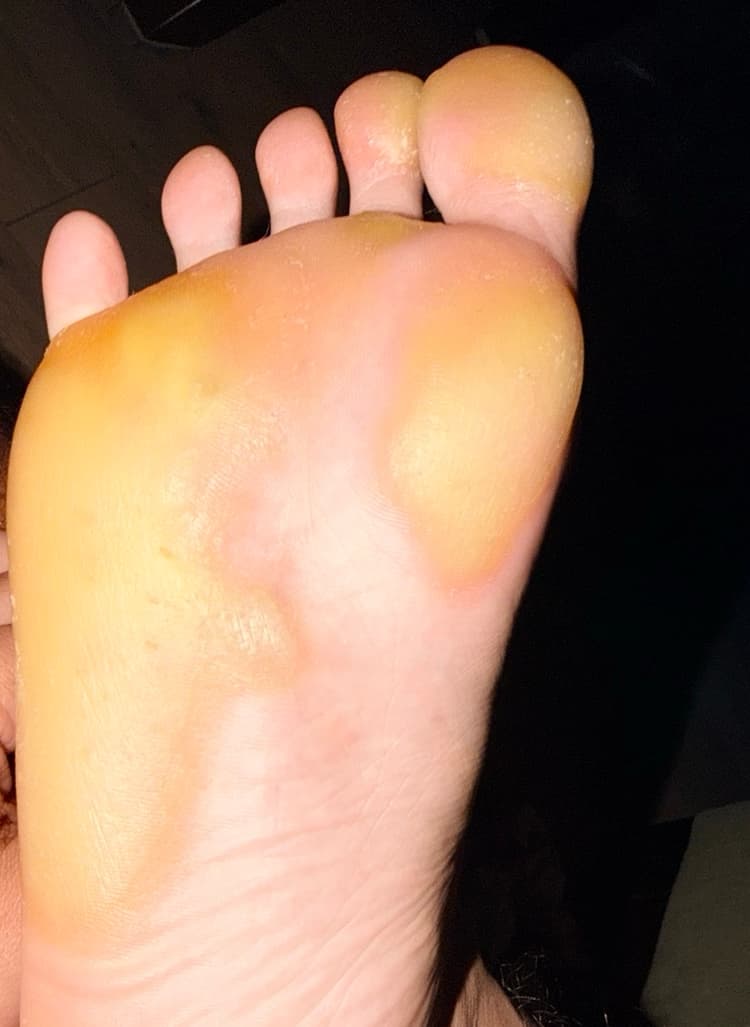
  • Thick, yellow, rigid buildup
  • Pain worse at the end of the day
  • Toe-walking to avoid heel pain

What it was not

  • Athlete's foot pattern
  • Plantar wart signs
  • Infection markers
  • Structural injury

Inside the recovery arc

The PDF follows the same four phases most people mistake for setbacks.

One of the biggest reasons people quit too early is that thinning, tenderness, and sweat-related puffing feel confusing if you do not know which phase you are in.

Phase 1

Hard callus

Thick, rigid buildup with sharp pressure pain and the classic 'stepping on a pebble' feeling.

Phase 2

Breakdown

Soft, white, reactive tissue where keratin loosens and overdoing treatment becomes a real risk.

Phase 3

Thinning

A flatter, softer callus with less sharp pain but more tenderness because the area has less padding.

Phase 4

Normalization

Stable, flexible skin that tolerates walking without the old pressure pain or constant reactivity.

Timeline

Results come from consistency, not one aggressive session.

Week 1:calm the area down, stop the rebound cycle, and reduce the sharp "rock in the shoe" feeling.

Week 2-3: combine controlled breakdown with pressure relief and moisture balance.

Week 4+: shift toward maintenance so progress does not collapse after the first improvement.

See the product stack

Core principle

Pressure + moisture control is everything.

The plan does not chase baby-soft skin. It shows you how to stop the dry-to-sweaty cycle, back off before over-treatment damage, and stabilize the tissue so walking feels normal again.

What changed everything

  • The pain was mechanical, not random: outer heel strike, inward roll, and big-toe push-off matched the exact callus zones.
  • Moisture changed everything: too dry meant hard, sharp pain; too wet meant puffing, swelling, and sensitivity.
  • Petroleum jelly helped when used lightly, but heavy occlusion could over-soften the area and create rebound tenderness.
  • Shoes mattered more than another product: low-support footwear made things worse, while cushioning reduced the daily pressure cycle.
  • The goal was never baby-soft skin. The real win was thin, flexible, pain-free, stable skin that could handle normal walking.