Most common
Mechanical overload
The same spot takes pressure with every step. Filing helps temporarily, but the callus rebuilds until you address the load — cushioning, gait, or footwear.
Painful foot callus relief, explained by someone who lived it
This isn't a skincare problem. It's usually a pressure + moisture problem. The site is built around the system that finally stopped the "stepping on a rock" pain and made walking feel normal again.
3 types
of callus problems — most people are treating the wrong one
$27
step-by-step treatment protocol with weekly cadence
Zero guessing
start with a diagnosis, then follow the system
Why they hurt
Most common
The same spot takes pressure with every step. Filing helps temporarily, but the callus rebuilds until you address the load — cushioning, gait, or footwear.
Moisture pattern
Feet that cycle between sweaty and over-dry build up differently. Post-shower softness, sock friction, and maceration all feed this pattern.
Rebound pain
Aggressive filing, acid pads, and constant exfoliation keep the area irritated and reactive. The skin never stabilizes, so pain persists even as thickness decreases.
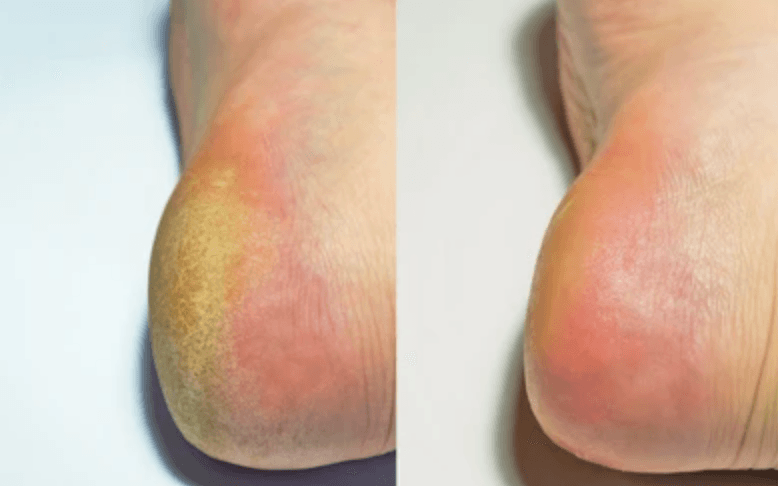
Founder case
Years of baseball cleats, sweaty feet, and no routine led to this. The photos track the actual progression from hard callus to stable skin.
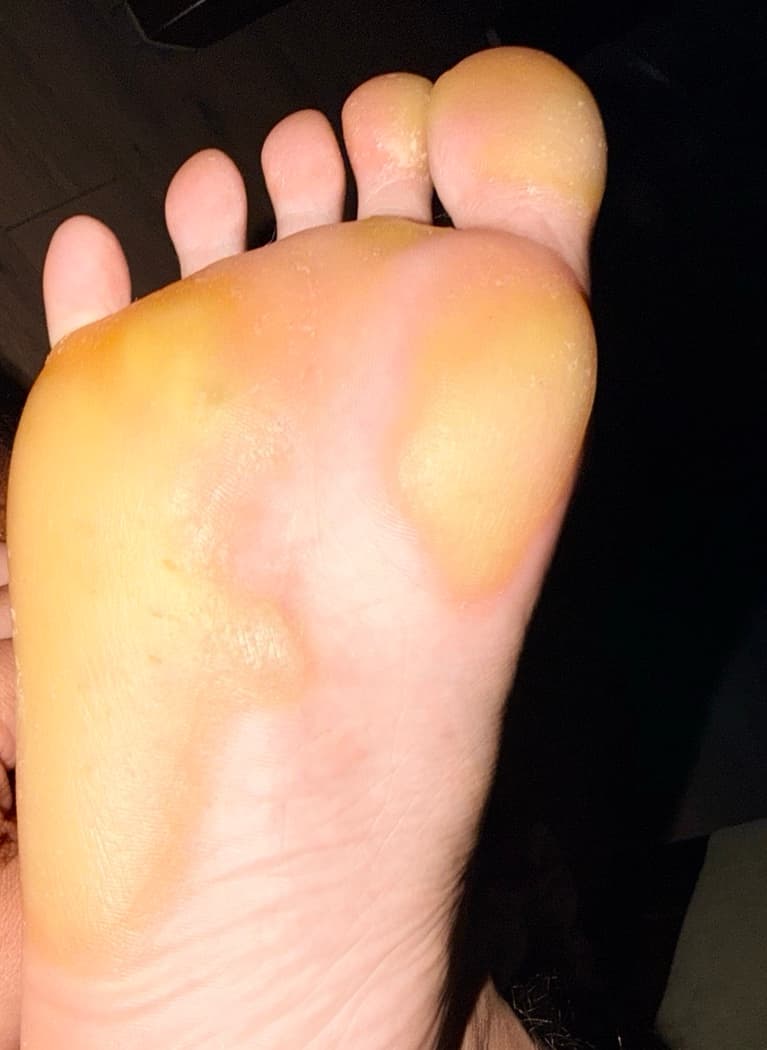
Full sole
The original callus map — multiple hotspots, heel to forefoot.
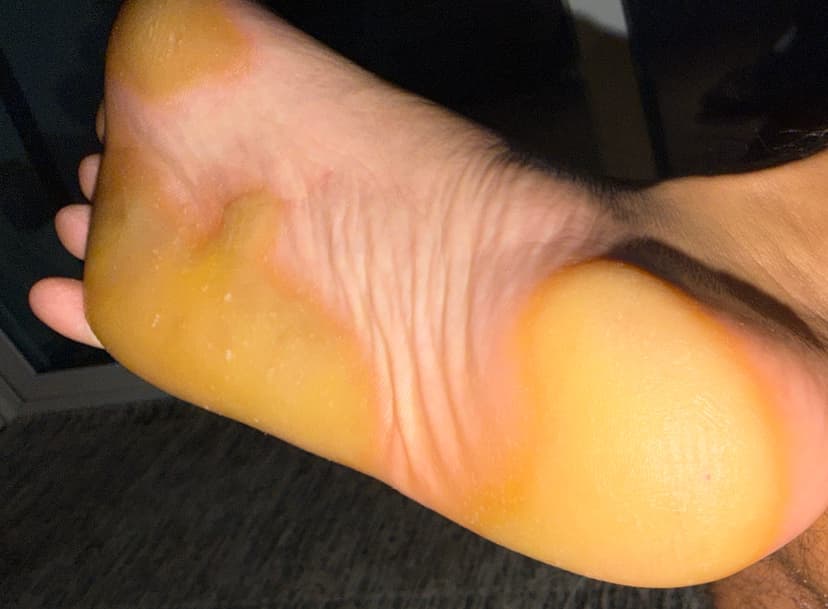
Pressure zones
Heel and forefoot buildup matching the outer-strike, inward-roll gait pattern.
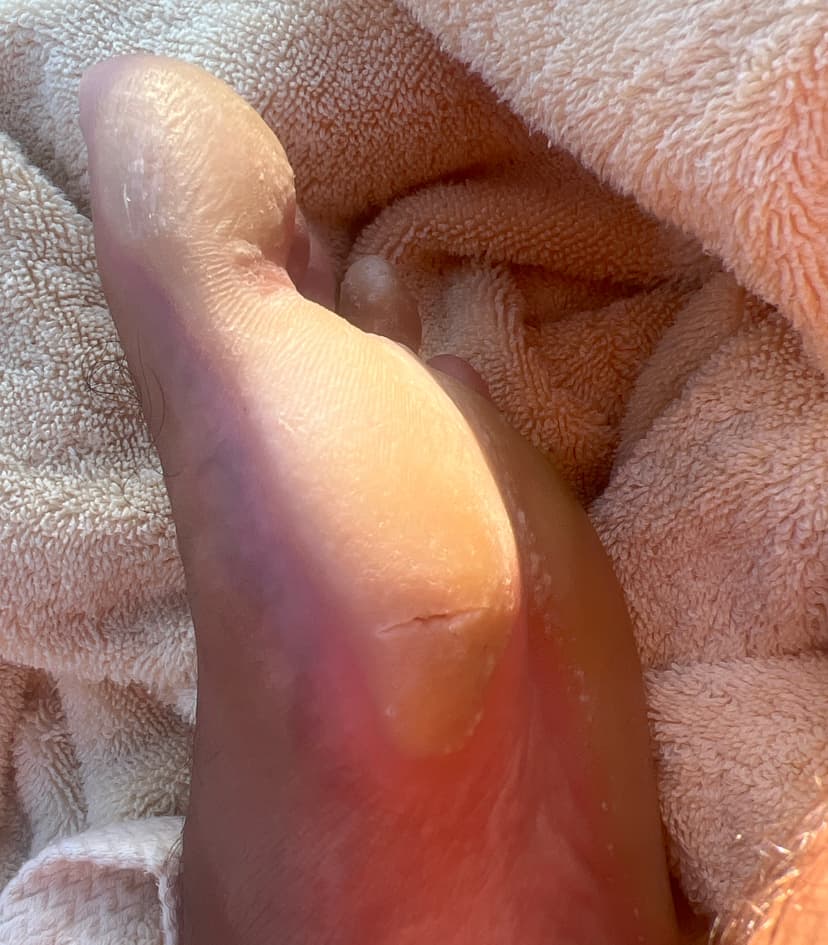
Forefoot detail
The dense forefoot core responsible for the "pebble underfoot" feeling.
Why it keeps coming back
Most treatments fail because they ignore which pattern is driving the problem. The fix depends on the type.
Most common
The same spot takes pressure with every step. Filing helps temporarily, but the callus rebuilds until you address the load — cushioning, gait, or footwear.
Moisture pattern
Feet that cycle between sweaty and over-dry build up differently. Post-shower softness, sock friction, and maceration all feed this pattern.
Rebound pain
Aggressive filing, acid pads, and constant exfoliation keep the area irritated and reactive. The skin never stabilizes, so pain persists even as thickness decreases.
The 5-product system
Every product exists for a job: soften, shed, buffer, rebalance, and protect.
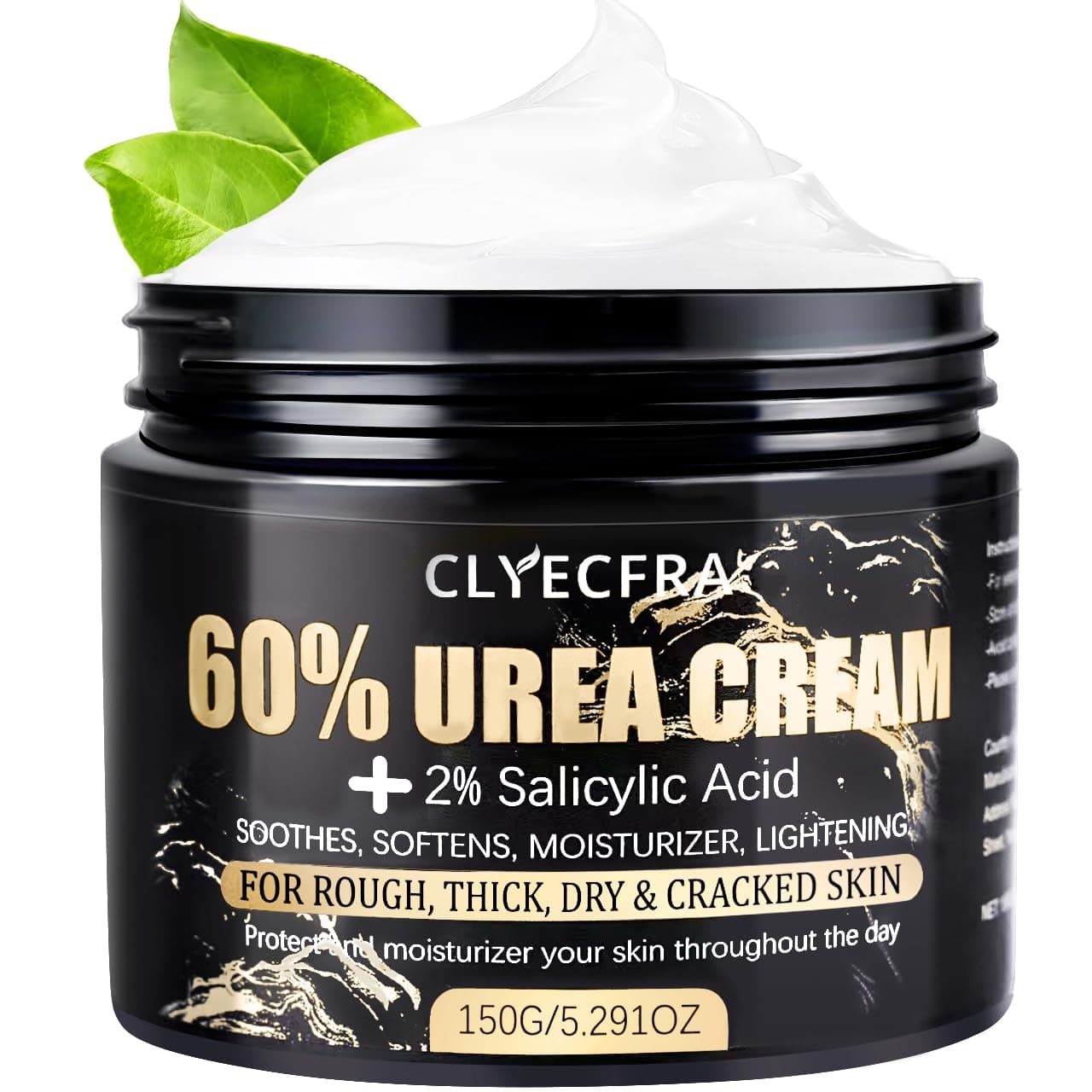
High-concentration urea penetrates dense callus tissue and softens it from within. Used 2–3× per week on dry skin before filing — not daily.
Best for thick, rigid buildup that feels like a pebble underfoot.
View on Amazon ↗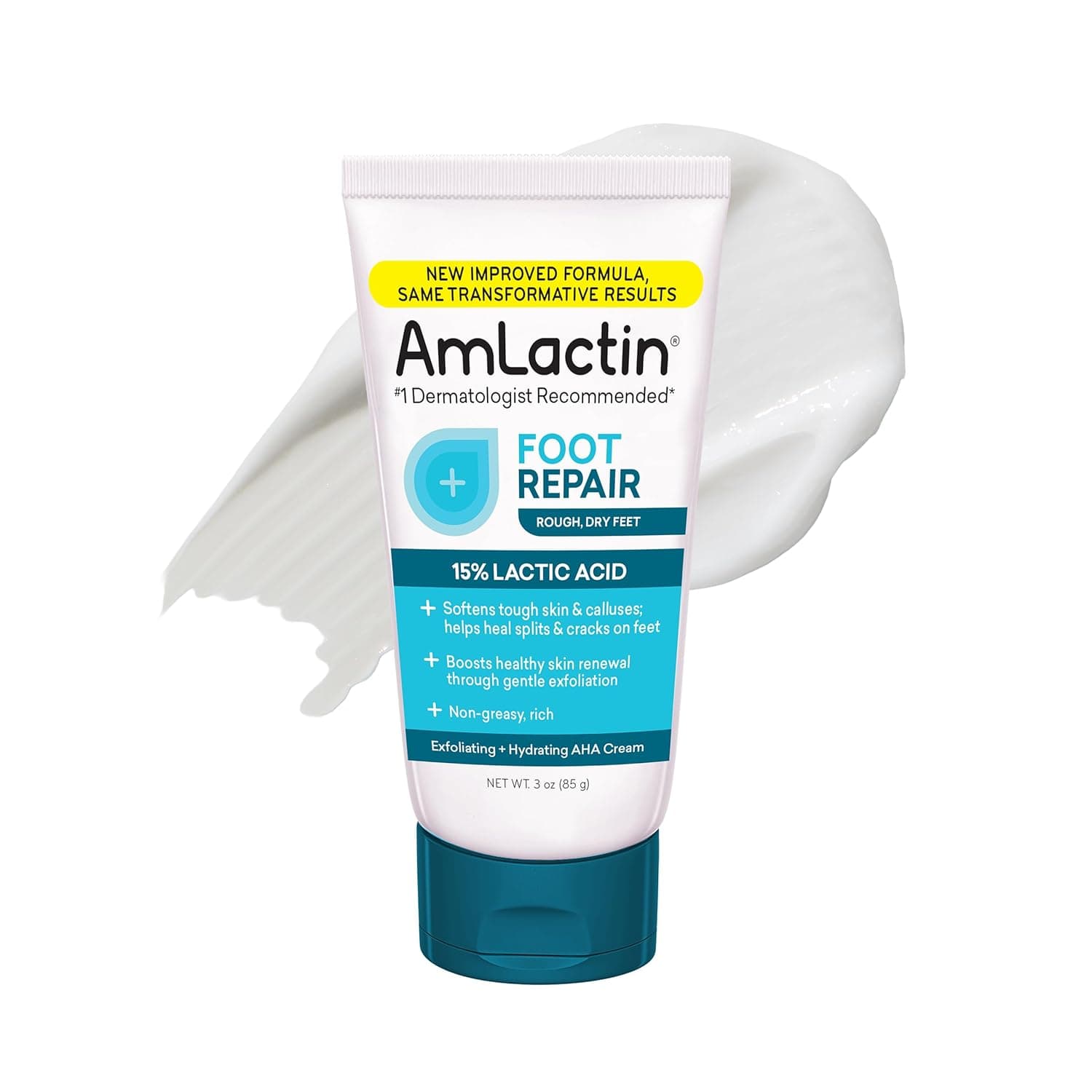
A gentler maintenance step that helps keep callus texture from rebuilding too quickly after the active treatment phase.
Best for ongoing smoothing and preventing rebound thickness.
View on Amazon ↗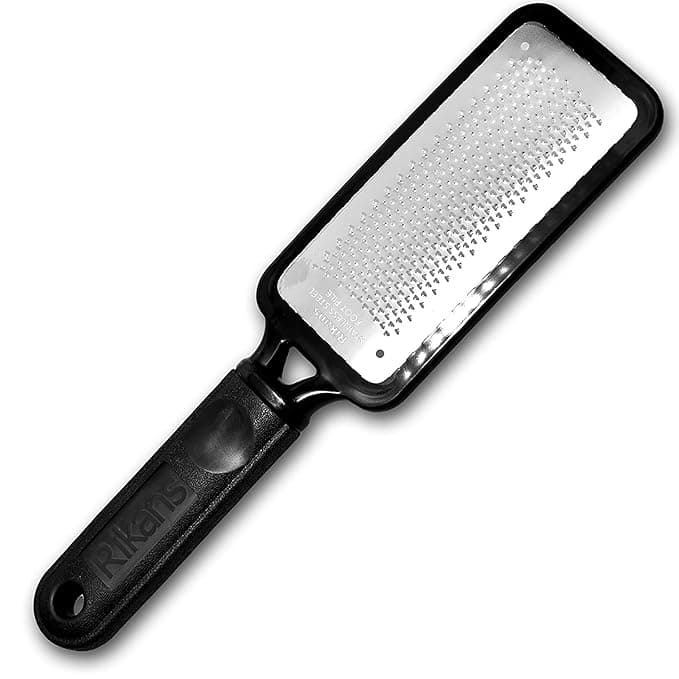
Use after creams or gels have softened the surface. The goal is gradual reduction, not aggressive scraping.
Best for controlled surface reduction after treatment days.
View on Amazon ↗Membership
Members can check in with notes, upload current photos, and get supportive AI guidance that stays grounded in the pressure + moisture model without pretending to be a doctor.
Free framework digest
Weekly notes on what actually works for painful callus routines — no spam, no generic foot care tips.
From the blog
These aren't generic foot-care tips. Each article is built around a real question people ask when walking starts to hurt.
March 27, 2026
Why a ball-of-foot callus keeps returning, even after filing and cream, and what that tells you about the pressure pattern underneath it.
March 27, 2026
What actually matters in a shoe when a painful callus keeps getting irritated, and what usually makes the problem worse.
March 27, 2026
A callus on the outer or inner edge of the foot usually has a specific mechanical cause. Understanding it is the first step to stopping the cycle.